

We’ve already written about the huge amount of money that Japan plans to spend for defense in the coming years. We’ve also written about how Japan will acquire all the new hardware it says it needs. What we didn’t write about—at least not in detail—is how Japan seems to have been suckered into buying all this stuff from the U.S. government under provisions that are disadvantageous to Japan.
All this equipment and weapons that Japan has pledged to buy in order to bring its defense capabilities in line with NATO countries will be supplied by the U.S. under its Foreign Military Sales (FMS) program. Under FMS, the purchasing country does not buy military equipment from the manufacturer, but rather from the U.S. government itself. And the U.S. government adds a margin to the prices charged by the manufacturer as if it were a wholesaler. The purchasing countries, in principle, cannot haggle over this price. They have to pay what the U.S. charges. The ostensible reason for this middle man tactic is that the equipment often contains parts that are classified, and so the U.S. government has to check them.
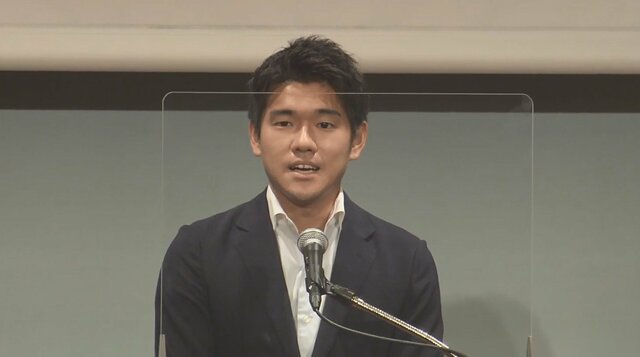
According to national security journalist Shigeru Handa, during a recent radio interview on the show Rojo no Rajio, Japan has questioned neither this system of transaction nor the demands of the U.S. as to what Japan should buy. Moreover, Japan must follow onerous loan terms when purchasing this equipment.
Continue reading




 philipbrasor.com