

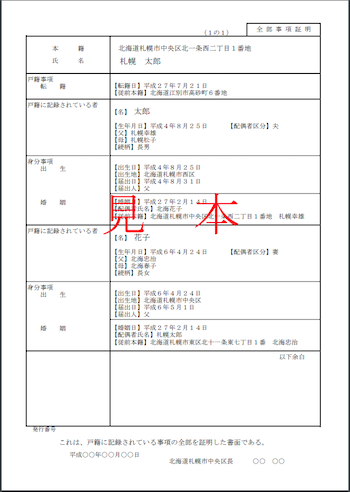
In 2007, Jikei Hospital in Kumamoto installed a “baby hatch” where infants could be deposited anonymously, presumably by parents who are unable to raise them for whatever reason. Since then, the hospital has received about a dozen babies every year through the system. The purpose has always been to give new mothers who feel they cannot have the child they are carrying an option other than abortion, but, more significantly, it allows the mother (or father, for that matter) to remain anonymous, since one of the reasons mothers don’t give their babies up for adoption is that they don’t want to be identified in official documents, such as the family register (koseki). The baby hatch has always been controversial.
In an interview with the Asahi Shimbun that appeared Feb. 21, the head of the hospital, Dr. Takeshi Hasuda, who came up with the idea for the baby hatch, talked at length about “isolation births” (koritsu shussan), meaning those instances when a woman gives birth alone and, usually, in secret. As with infants dropped off at the baby hatch, the reason a woman may have a child in isolation is to keep it hidden from others, and, as Hasuda points out, giving birth is often dangerous, even when done in a medical institution. Isolated births are thus doubly dangerous to both the mother and the child. In recent decades, the practice of isolated births has become more of a problem as parents found it ore difficult to sidestep bureaucratic requirements. When births happened at home and were assisted by midwives, a woman could manipulate the birth registration with the help of the midwife. So if the mother was, say, unmarried or underage, the child could be registered as the issue of an older married sister or even the birth mother’s own mother. In some cases, the baby chould be given to a third party without the authorities knowing. However, nowadays almost all births take place in hospitals, so such subterfuges are much more difficult, if not impossible. Consequently, many teen pregnancies end with mothers giving birth in isolation.
This phenomenon was broadly discussed in the media after a Vietnamese technical trainee, who believed she would be deported from Japan if it were known she was pregnant, gave birth to twins in 2020 in secret and the twins died. (We have already written about this story here.) Though the trainee’s circumstances were different from those of most Japanese women who opt to give birth in isolation, the dangers are the same. More to the point, medical institutions that want to address the problem have to contend with its main cause—the registration of the child’s birth, which is mandated by law and requires the name of the mother. As Hasuda told the Asahi reporter, there are no laws in Japan that even acknowledge such a phenomenon. All births in Japan must be reported to the relevant local government within 14 days, and if the required documents are not filled out “properly,” they can be “rejected.” What Hasuda meant was those situations when documents are submitted without a mother’s name. In that case, the baby cannot be placed in a family register and, for all intents and purposes, does not exist as far as the authorities are concerned.
Continue reading







 philipbrasor.com