According to psychologist Abraham Maslow, human behavior is motivated by a “hierarchy of needs” that start at the bottom with physiological needs and then proceeds up in pyramid fashion to “esteem” and “self-actualization,” meaning psychological needs that must be met in order for us to feel comfortable with ourselves. To an extent, these psychological needs are governed by social mores that help us create a place for ourselves within the larger society. One of the arguments about Maslov’s theory, which was formulated in the 1940s, is how much of one’s esteem and self-actualization is fortified by one’s own efforts. Good looks, for example, can do wonders for one’s ego but are dictated by luck as well as arbitrary social and cultural forces. One can, of course, actively adjust these determinants through efforts such as a strict exercise regimen and seeking plastic surgery, but it’s also a matter of genes
In modern capitalist society, the surest route to the top of the pyramid is wealth, which we are taught is earned through hard work; but not necessarily. Some people are born into wealth while others get there through good fortune and unique qualities (talent, intelligence, ambition) that obviate the need for hard work. Then there are people who self-actualize by simply taking on the trappings of wealth. It’s these people who are often the victims of other people who use that need to make money themselves.
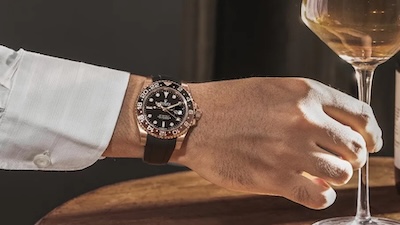
A recent article in the Tokyo Shimbun described a special kind of “sharing service” where companies connect people with expensive watch collections to people who need expensive watches for some kind of function, be it a specific occasion or something more long-term. The service pays a kind of rental fee for the use of the owner’s expensive watch and in turn rents it out to users while taking a cut for itself.
The former president of a company that runs one such service called Toke Match—”toke,” pronounced “toh-keh,” being a shortened form of the Japanese word “tokei,” meaning clock or watch—was arrested by Tokyo police for fraud on Dec. 26 after being extradited from Dubai. The suspect, Takazumi Fukuhara, is charged with defrauding 650 owners comprising 1,700 luxury watches valued at ¥2.8 billion by allegedly selling 1,300 of these watches to dealers, thus violating the agreements he had with the owners. Reportedly, he used the money from the sale to gamble online and buy crypto assets.
Fukuhara’s company, Neo Reverse, launched Toke Match in March 2021 by soliciting owners of collections of expensive watches—Rolex, Omega, what have you—to entrust New Reverse with their property so that the company could rent them out to people who might need those time pieces in order to meet their own esteem and self-actualization needs. Neo Reverse even took out print and broadcast ads to not only solicit owners but attract users. And while the company did well in getting owners to lend them their valuables, there weren’t quite as many users as they needed. The police told the media that they suspect it was always Fukuhara’s intention to sell the watches and take off with the money, and one former employee of New Reverse told Tokyo Shimbun that Fukuhara and an associate who was also arrested “fooled owners” by promising limitless returns for the rental of their watches.
Continue reading