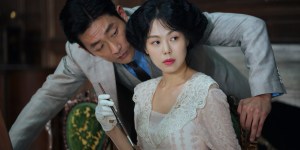
 As everyone has already noted many times, it was a pretty terrible year all around. As far as movies go, it’s difficult to tell if it was any worse or any better than average. Since I didn’t see as many films as I did during my heyday as a critic (1995-2010) I can’t say anything definite in that regard, though I did make a concerted attempt to see the movies that seemed to matter, and probably because of that effort my list isn’t going to surprise anyone. The usual subjects are present and accounted for. However, because the year was so fraught with drama with respect to international and local news, I derived more than my usual level of enjoyment from the Busan International Film Festival in October, which tends to occupy a kind of oasis in my year free from quotidian cares. The 2016 version benefited from a touch more cognitive dissonance, since the festival itself was hit by a partial boycott owing to the city of Busan’s suit against various festival honchos as political retribution for their showing a movie in 2014 that the mayor didn’t like. BIFF was supposed to be a bust this year, but I had a better time than I’d had there in ages, and mainly because of the quality of the films I saw. I especially loved The Handmaiden, Park Chan-wook’s lurid sexual melodrama set during Japan’s colonial rule of Korea, one of the purest cinema experiences I’ve enjoyed in some time. But several other Korean films at the festival were also among the best of my year, and so should show up on this list 12 months from now since they are scheduled to be released in Japan sometime during that time period. It is something to look forward to, and that’s an important notion to keep in mind during these dark times. Let’s just hope I’m still reviewing movies in December 2017. At this point, I can’t say for sure.
After the jump is my list of best films released theatrically in Japan in 2016. Continue reading

 Warm on a Cold Night
 A Bigger Splash

 Here’s