
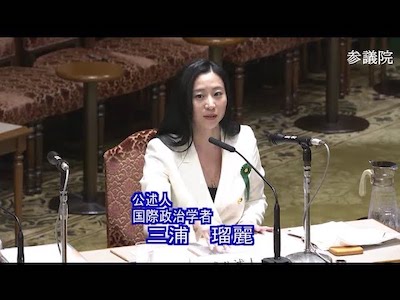
On Jan. 20, some news outlets reported that Tokyo prosecutors had raided the offices of an investment company that promotes solar power generation. Though the raid by itself was no big deal—prosecutors carry out raids of companies suspected of business malfeasance all the time—it received a fair amount of scrutiny on the internet because the president of the company is married to Lully Miura, a prominent media pundit.
In the initial reports the company president was not identified, but various people on social media were quick to name him—Kiyoshi Miura. As it turns out, Miura’s home was also raided. Kyodo News said that the reason for the raids were that the “president of Tribay Capital” had negotiated with another Tokyo company about the construction of a solar power generation facility in Hyogo Prefecture, but that such plans appear to have fallen through even though the company had already given Tribay ¥1 billion in startup money.
The day after the raid, Lully Miura issued a message on the home page of her own company, Yamaneko Research Institute, clarifying her position. She said that while “some of the reports were correct” and that her husband’s office was indeed raided, she herself was not involved in the operations of his company, and therefore would not comment on it. However, she went on to say that she will fully cooperate with the investigation and “as a family member” support her husband.
According to the media criticism web magazine Litera, the Tribay raid was not exactly a surprise to some internet news media, which have been following Kiyoshi’s business dealings for a while now. These media had been talking about competing fraud allegations for months, but mainstream media organizations—though they knew of the allegations—had held back until prosecutors had made their move.
The matter apparently started in 2019, when Tribay convinced a company called Meta Capital (no relation to the Facebook parent company) to invest in its “mega-solar generation facility” in Fukuzaki, Hyogo Prefecture. Tribay told Meta that it had received permission from residents surrounding the proposed site to go ahead with the project and completed all the necessary paperwork to lease the land from its owners. In June of that year, Meta transferred ¥1 billion to a company that was partnering with Tribay on the project.
Continue reading



 philipbrasor.com