Here are the album reviews I wrote for the October issue of EL Magazine, which was distributed in Tokyo earlier this week.
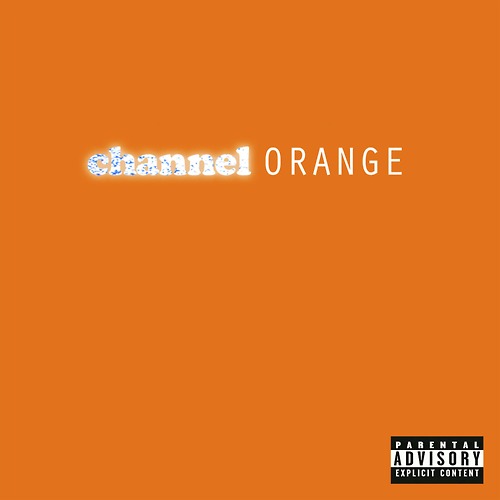
 Channel Orange
-Frank Ocean (Def Jam/Universal)
I Know What Love Isn’t
-Jens Lekman (Secretly Canadian/Hostess)
Do free downloads exacerbate cognitive dissonance or dissipate it? It’s a relevant question when pondering the critical success of Frank Ocean’s debut mixtape, Nostalgia, Ultra, which scored high on many 2011 Top Ten lists, including ours. The fact that you don’t pay for it may color your attitude toward an album, but now we have Ocean’s official major label debut, the most hotly anticipated of the year, and the first reaction is that it’s a lesser work. Ocean’s brand of R&B is hardly original, but it is fresh, owing principally to its auteurist character. He avoids samples, relying heavily on studio musicians, but the menagerie of producers and co-writers aren’t nearly as conspicuous as they are on other R&B records. Though Ocean’s passions are real enough, he rarely translates his raptures into speedier tempos, meatier arrangements, or greater volume. In fact, his already storied gift for melody is a function of his less-is-more approach. The songs are lyrical because Ocean is lyrical. Even his lyrics are lyrical, and while many have focused on his typically R&B-based obsession with the good life and the demimonde, his only subject is love. Even on the delightfully dry and trenchant “Super Rich Kids,” the singer eventually gets around to his main concern. “I’m searching for a real love,” he says with the only true feeling the song contains. And while sex has its place on the album, it tends to be observational rather than participatory. The album’s emotional and musical centerpiece, “Bad Religion,” makes perfect sense of Ocean’s musical lassitude: “This unrequited love to me is nothing but a one-man cult,” the idea of loving someone “who could never love you.” It’s not just what Channel Orange is about. It’s what Frank Ocean is about. It’s also what Swedish singer-songwriter Jens Lekman is about, though he’s usually more cavalier about the ones that get away. The somewhat cynical-sounding title of his third album indicates negative experience in the ways of amour, but it’s always difficult to get worked up over Lekman’s detailed stories of heartbreak and loss since he doesn’t get worked up himself. As a pop songsmith and arranger he hangs loose, recalling the stoned afternoon insouciance of Chris Rea; as a singer he rarely lifts his voice in either ecstasy or enmity. And yet I Know What Love Isn’t, despite its melancholy subject and occasional outbursts of misanthropy, seems designed to raise smiles all around, as if he were trying to lift his own spirits after the breakup that so obviously inspired all ten songs. “Baby what’s wrong?” his lover asks on “Some Dandruff on Your Shoulder,” and he replies, over and over again, “it’s nothing,” as if desperately trying to change his outlook. Championed as a singles mensch, Lekman here seems determined to channel his disappointments into an album-length statement, but some habits are difficult to break. It’s too much fun to take that seriously. Continue reading