
 Whether due to the ravages of age or encroaching apathy (itself a ravage of age), I found it more difficult this year to retain much familiarity with music I listened to. When I started reviewing the year in mid-November in order to compile this list, except for a half dozen albums that had made an exceptionally strong impression during our initial encounter, I seriously questioned if I had really listened to many of the other albums that were in my devices, though I was almost sure I did. One hypothesis is that I don’t listen to any new music on CD any more, only older music, because I stopped buying physical product several years ago, having reached the conclusion that I didn’t want to accumulate any more things in what is left of my life. Whatever else they offer, CDs provide more of an emotional anchor for the music they contain, something MP3s can’t provide. And now that iTunes, as much as I hated it, is gone, the music files on my computer seem that much more ephemeral. In the end, however, a guitar lick here, a particularly clever lyric there did penetrate the fog of my short-term memory, but basically I had to reboot, which explains why I’m late with the list. And it’s not as if I didn’t care about the music I was hearing. If anything, the short list I came up with ended up being pretty long. One aspect that often boosted a record’s appeal in my estimation was whether I’d seen the artist in question play live this year. I don’t attend half the number of shows I did twenty years ago, so maybe I appreciate concerts more than I used to, but one of the reasons I stopped going was that live shows increasingly held less interest for me (ravage of age, check), so if I do go out of my way to see someone, it’s almost always because I like their latest record a lot, so, in a sense, the concert is like a double reinforcement of their appeal. Yeah, I know most people see artists they already like, but for so long, because of my work, I was invited to almost every concert in town, and I took advantage of that. Not so much any more, but that’s not a ravage of age. More of a realignment of priorities. P.S., No decade-best from me. Since the dawn of the millennium, time has been a continual blur. Continue reading

 Though This Is Spinal Tap effectively made it difficult to make fun of rock musicians, particularly those of the heavy metal variety, in movies for eternity, there’s enough native ridiculousness in the genre for extraneous exercises in parody, a dispensation that directors Juuso Lantio and Jukka Vidrgen exercise in Heavy Trip. It helps oodles that the movie takes place in a small hick town in Finland, a country that, thanks to its air guitar contests that have become world famous, already possesses an air of pop cultural ridiculousness. Approached in those terms, metal has the same basic appeal as professional wrestling. It’s a rarefied art form whose ostensible attraction is bogus. In the case of wrestling, people pretend to fight. In the case of metal, people pretend to adhere to a lifestyle that’s toxically misanthropic (and male). Both characterizations, however, are misleadingly reductive, since the fake fighting in pro wrestling still requires special athletic skills to pull off, while metal musicians get their fake points across with genuine musical chops.
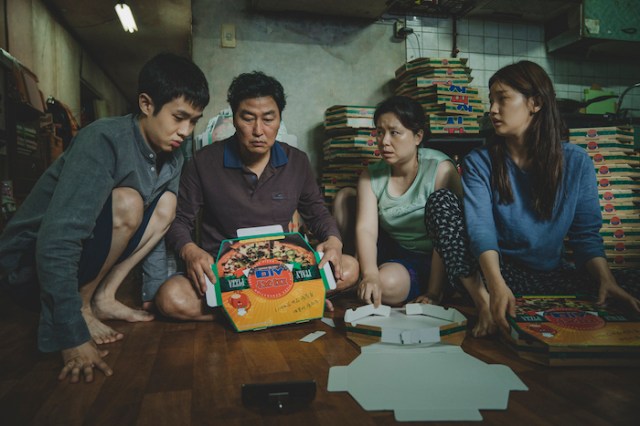 The class dynamics exploited in Bong Joon-ho’s Parasite, certainly the movie of the year regardless of what you think about it, gives rise at first to comedy of the most uncomfortable kind. This has always been Bong’s strong point, though when he’s off his game it’s usually because he has trouble maintaining his comic tone. In movies like Okja and Snowpiercer, which belong to sci-fi or fantasy genres, keeping that tone wasn’t a big problem, though the lack of consistency did make those films feel less important by the end than the way they felt at the beginning. Because Parasite takes place in a relatively realistic social setting the tone is especially important.
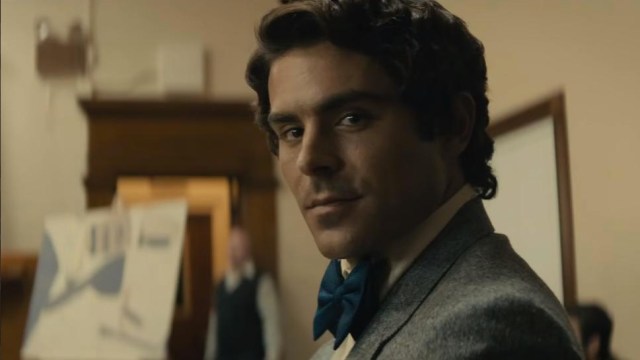 As the most notorious serial killer in American history—quite an accomplishment, if you think about it—Ted Bundy has been the focus of volumes of journalism and analysis and scads of films, mainly documentaries. Director Joe Berlinger, who made this circumspect profile of the killer, played with unusual subtlety by Zac Efron, has already made a doc series about Bundy, but apparently he wasn’t done with him. The narrative sectionalizes the part of Bundy’s life in the late 70s and early 80s that occurred afer most of his many murders had been committed, while he was living in Florida with a single mother named Elizabeth Kloepfer (Lily Collins) in relatively conventional middle class comfort. Much of the movie, in fact, it from Kloepfer’s point of view. She meets Bundy in a bar, and per his post-arrest reputation, he is charming and solicitous, even to a woman saddled with a kid, a situation she has been conditioned to believe is a deal-breaker for any long-term romantic relationship. Their first night together he doesn’t have sex with her, and makes her breakfast the next morning.
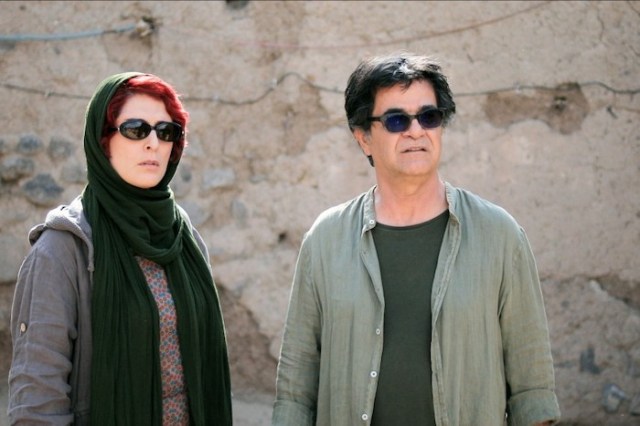 In his last samizdat production, Taxi, Jafar Panahi spent almost the entire running time behind the wheel. He spends a good portion of his latest movie also in a car, thus in a way extending a cinematic style perfected to obsessive lengths by his late mentor Abbas Kiarostami, many of whose last films took place in moving vehicles. For Panahi, the device takes on an extra layer of meaning, since he is banned from making movies for 20 years by the Iranian government. His first two forbidden works were resolutely indoor affairs, but with Taxi and now 3 Faces he endeavors to get out of the house, and cars provide just enough cover for him to scratch his creative itch without being noticed (cameras are by necessity very small when filming in a car, and no crew). However, here he’s also incorporated a long automobile trip into a story that takes him far from Tehran, into the mountains bordering Turkey, where people are familiar with his celebrity but not close to any government organs that might risk his being exposed.
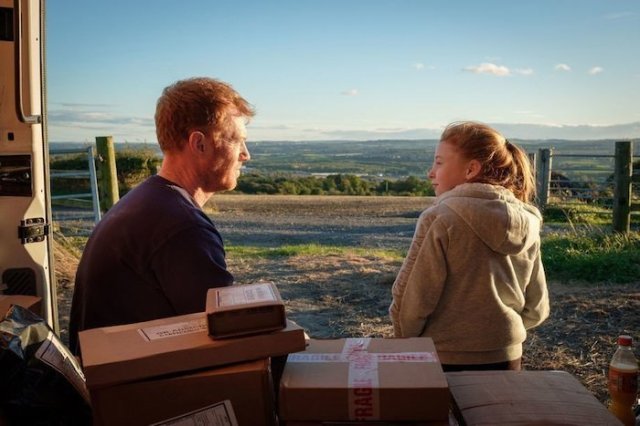 At this point in his career Ken Loach is neither anybody’s fool nor anything less than what he resolutely says he is in his films—a staunch socialist muckraker with no qualms about using rough sentimentality to drive home his political points. Consequently, he’s been more appreciated and honored at continental film festivals (Cannes, especially) than he has by international critics and his fellow Brits. His latest, in fact, may be his most scathing indictment of late stage capitalism, not to mention his harshest rant against what the UK has become socioeconomically in the 21st century. Though film purists will obviously see it as yet another over-the-top screed, in light of yesterday’s general election, it comes across as nothing less than a libertarian horror movie.
 Here’s
  What made the first Zombieland more interesting than it had any right to be was its attention to dweebish detail, in partcilar its lists of dos and donts when navigating a new American landscape where the undead were a daily danger, but a danger that could be reduced to a mere nuisance if the protocols devised by the film’s redneck hero, Tallahassee (Woody Harrelson), were followed to the letter. His opposite number, the bookish rube Columbus (Jesse Eisenberg), needed some time to absorb this wisdom, and while he managed to adjust a few tenets and add some corollaries of his own, the basic manual of chopping and shooting survived into this sequel, whose very title references one of the rules, which is to ensure that a zombie is really finished by zapping it twice with whatever weapon is at hand.
-
Recent Posts
Archives
- April 2026
- March 2026
- February 2026
- January 2026
- December 2025
- November 2025
- October 2025
- September 2025
- August 2025
- July 2025
- June 2025
- May 2025
- April 2025
- March 2025
- February 2025
- January 2025
- December 2024
- November 2024
- October 2024
- September 2024
- August 2024
- July 2024
- June 2024
- May 2024
- April 2024
- March 2024
- February 2024
- January 2024
- December 2023
- November 2023
- October 2023
- September 2023
- August 2023
- July 2023
- June 2023
- May 2023
- April 2023
- March 2023
- February 2023
- January 2023
- December 2022
- November 2022
- October 2022
- September 2022
- August 2022
- July 2022
- June 2022
- May 2022
- April 2022
- March 2022
- February 2022
- January 2022
- December 2021
- November 2021
- October 2021
- September 2021
- August 2021
- July 2021
- June 2021
- May 2021
- April 2021
- March 2021
- February 2021
- January 2021
- December 2020
- November 2020
- October 2020
- September 2020
- August 2020
- July 2020
- June 2020
- May 2020
- April 2020
- March 2020
- February 2020
- January 2020
- December 2019
- November 2019
- October 2019
- September 2019
- August 2019
- July 2019
- June 2019
- May 2019
- April 2019
- March 2019
- February 2019
- January 2019
- December 2018
- November 2018
- October 2018
- September 2018
- August 2018
- July 2018
- June 2018
- May 2018
- April 2018
- March 2018
- February 2018
- January 2018
- December 2017
- November 2017
- October 2017
- September 2017
- August 2017
- June 2017
- May 2017
- April 2017
- March 2017
- February 2017
- January 2017
- December 2016
- November 2016
- October 2016
- September 2016
- August 2016
- July 2016
- June 2016
- May 2016
- April 2016
- March 2016
- February 2016
- January 2016
- December 2015
- November 2015
- October 2015
- September 2015
- August 2015
- July 2015
- June 2015
- May 2015
- April 2015
- March 2015
- February 2015
- January 2015
- December 2014
- November 2014
- October 2014
- September 2014
- August 2014
- July 2014
- June 2014
- May 2014
- April 2014
- March 2014
- February 2014
- January 2014
- December 2013
- November 2013
- October 2013
- September 2013
- August 2013
- July 2013
- June 2013
- May 2013
- April 2013
- March 2013
- February 2013
- January 2013
- December 2012
- November 2012
- October 2012
- September 2012
- August 2012
- July 2012
- June 2012
- May 2012
- April 2012
- March 2012
- February 2012
- January 2012
- December 2011
- November 2011
- October 2011
- September 2011
- August 2011
- July 2011
- June 2011
- May 2011
- April 2011
- March 2011
- February 2011
- January 2011
- December 2010
- November 2010
- October 2010
Categories
Meta
Blogroll
 philipbrasor.com